
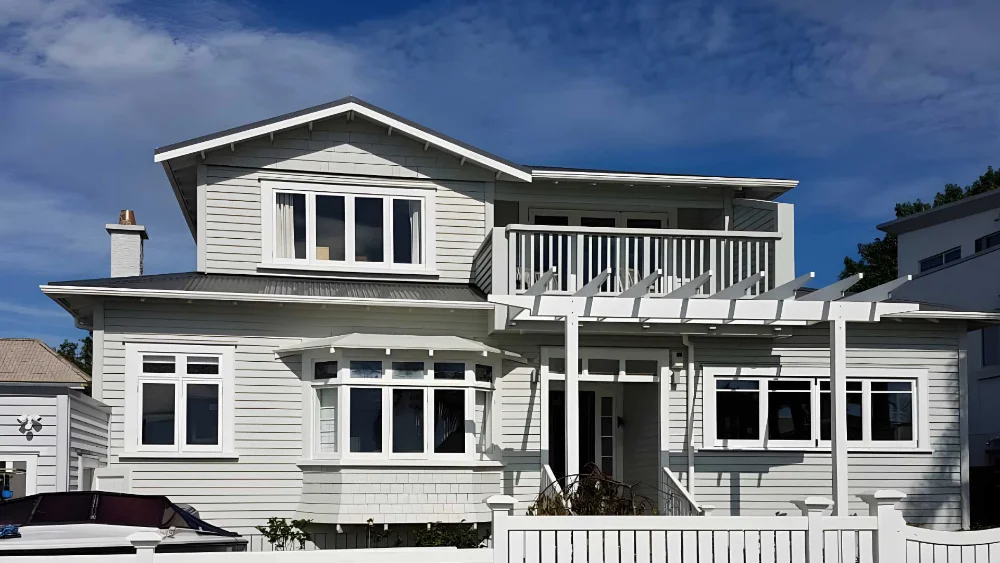
Auckland’s bungalows are some of the most loved homes in the city. Built mainly between the 1920s and 1950s, they have a warmth and character that newer homes rarely replicate. Wide verandas, native timber floors, high ceilings, and proportions that feel genuinely liveable. But they also come with their fair share of renovation challenges, and understanding them before you start will save you time, money, and frustration.
Here is what we see most often when working on bungalow renovations across Auckland.
The structure is often different from what the plans suggest
Older homes were built without the documentation standards we have today. When you open up walls in a bungalow renovation, you will often find framing that does not match what any plan shows – or no plans at all. This is not unusual and it is not necessarily a problem, but it does mean that detailed upfront scoping and some contingency in your budget are important. The builders who tell you they can give you a fully fixed price before opening a single wall are the ones to be cautious about.
Insulation and weathertightness are usually the biggest upgrades
Most Auckland bungalows have minimal insulation by modern standards, and many have weathertightness issues ranging from minor maintenance items to more significant problems with joinery, flashings, or roofing. A good renovation will address these properly rather than cosmetically. Upgrading insulation, replacing tired joinery with thermally broken double glazing, and sorting any moisture issues will make a bigger difference to how the home feels and performs than any aesthetic change.
Preserving character while improving performance takes care
The features that make a bungalow worth renovating – the mouldings, the native timber, the proportions. They are also the things that need the most careful handling during construction. Removing and properly reinstating architraves, matching existing timber profiles, and working around original flooring without damaging it require a different level of care than standard renovation work. Not every builder approaches this with the patience it demands.
Building consent and what triggers it
Many bungalow renovations require building consent, particularly where structural changes are involved – removing walls, altering the roofline, adding a deck, or making changes to plumbing and drainage. The scope of your project will determine what is required. As a general guide, if you are moving or removing walls, adding habitable floor space, or making changes that affect the building’s weathertightness, consent will be required. Your builder should be able to advise you on what applies to your specific project. For detailed guidance, Auckland Council’s building consent information is the best starting point.
The indoor-outdoor question
One of the most common things Auckland bungalow owners want from a renovation is better indoor-outdoor flow. The original floor plan of most bungalows does not lend itself naturally to this – rooms are defined and separate rather than open. Achieving a good indoor-outdoor connection in a bungalow renovation typically requires structural changes and sometimes reconfiguring the entire ground-floor layout. Done well, it completely transforms how the home lives. Done poorly, it can compromise the proportions that made the home appealing in the first place.
What to look for in a bungalow renovation builder
Experience with period homes matters. A builder who has only worked on new builds or standard renovations will not have the same feel for what bungalows need. Ask to see examples of bungalow or villa renovation work. Have them explain how they handle unexpected structural finds during construction. Ask how they approach preserving original features. The answers will tell you quickly whether they have done this before.
Quality Build has worked on villa and bungalow renovations across Auckland for a number of years. If you are in the early stages of planning a bungalow renovation, we are happy to have a conversation about what is involved and whether we would be a good fit for your project. Get in touch via our contact page.